

Flamingos mate for life. That's the part everyone knows.
But the interesting part — the part nobody talks about — is how they stay together after the courtship is over. Because the staying is harder than the starting. And what flamingo pairs do to stay connected is stranger, more deliberate, and more relevant to the rest of us than you'd expect.
The Dance Comes First
Flamingos don't pick the strongest mate. They pick the one who moves with them.
Before pairing off, flamingos perform a synchronized courtship dance — head-flagging, wing salutes, marching in formation. The female watches. She doesn't choose the biggest or the loudest. She chooses the one whose rhythm matches hers.
Researchers call it behavioral synchrony — when two birds' movements mirror each other so closely they look choreographed. It's not strength. It's not size. It's rhythm. The pair that finds it first is the pair that stays.

Both Build the Nest
In most bird species, one partner builds the nest and the other one shows up. Flamingos don't work that way.
Both gather mud. Both shape it. Both reinforce it. The nest is a 50/50 project — and researchers have found that nests built by only one partner are significantly less stable. They collapse under the first real storm.
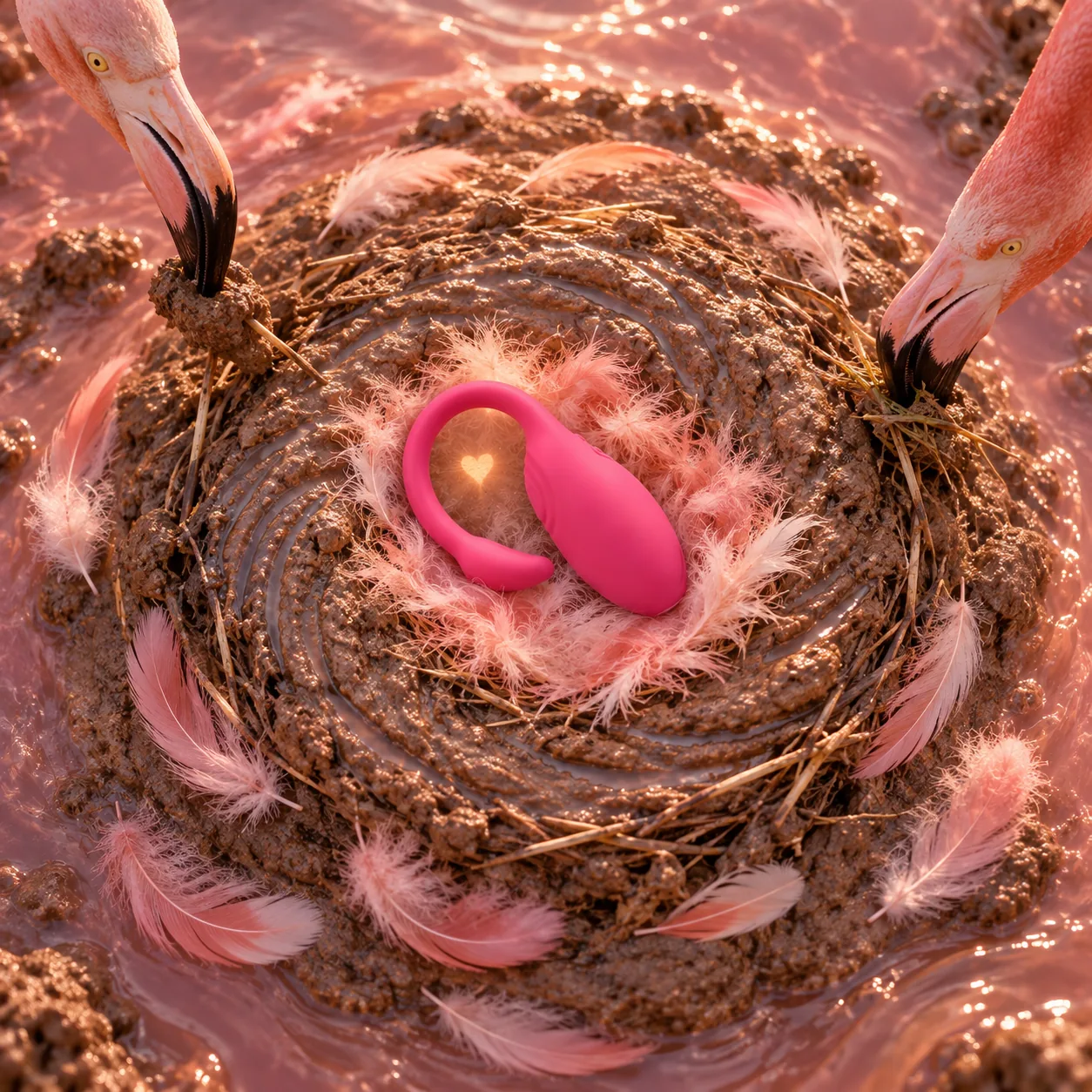
The ones built by both hold.
The Bond Doesn't Break — It Just Stops Showing
Here's the part that changes everything.
When flamingo pairs are separated — by migration, by flock disruption, by circumstance — they show measurable physiological stress. Cortisol rises. Feeding patterns shift. They don't form new bonds easily. They wait.
The bond doesn't break. The bird doesn't move on. It just stops displaying the connection behaviors — the dances, the synchronized movements, the shared nest maintenance. The rituals that made the bond visible go quiet.
But when separated pairs are reunited, the bond reactivates almost immediately. The dance comes back. The synchrony returns. The nest-building resumes.

The connection wasn't gone. It was dormant. It was waiting for both birds to show up again.
What It Taught Us
When we designed the Mingo™, we kept coming back to one idea from flamingo research: connection isn't a feeling you wait for. It's a behavior you practice.
Flamingos don't hope the bond survives. They dance. They build. They show up — together, deliberately, over and over.
That's why the Mingo doesn't work with one person. That's why it has a drawing canvas instead of a preset button. That's why it needs both of you to do anything at all.
Because the research says what most couples already know: the bond is still there. It just needs both of you to show up.
We didn't invent a product. We stole an idea from a pink bird.
136 Moves. Two Players. One Rhythm.
Flamingo courtship involves up to 136 distinct moves. Not one of them works alone. Every head-flag needs an answer. Every wing salute needs a mirror. Every step forward needs someone stepping with you.
The Mingo has 15 levels, 4 modes, and a canvas that turns your phone into a freehand instrument. None of it does anything unless someone else is on the other end.

136 moves. Two players. One rhythm.
That's how flamingos stay connected. And that's what it taught us.
If you've read this far, you probably already know what the Mingo™ is. And you probably already know who you'd use it with.
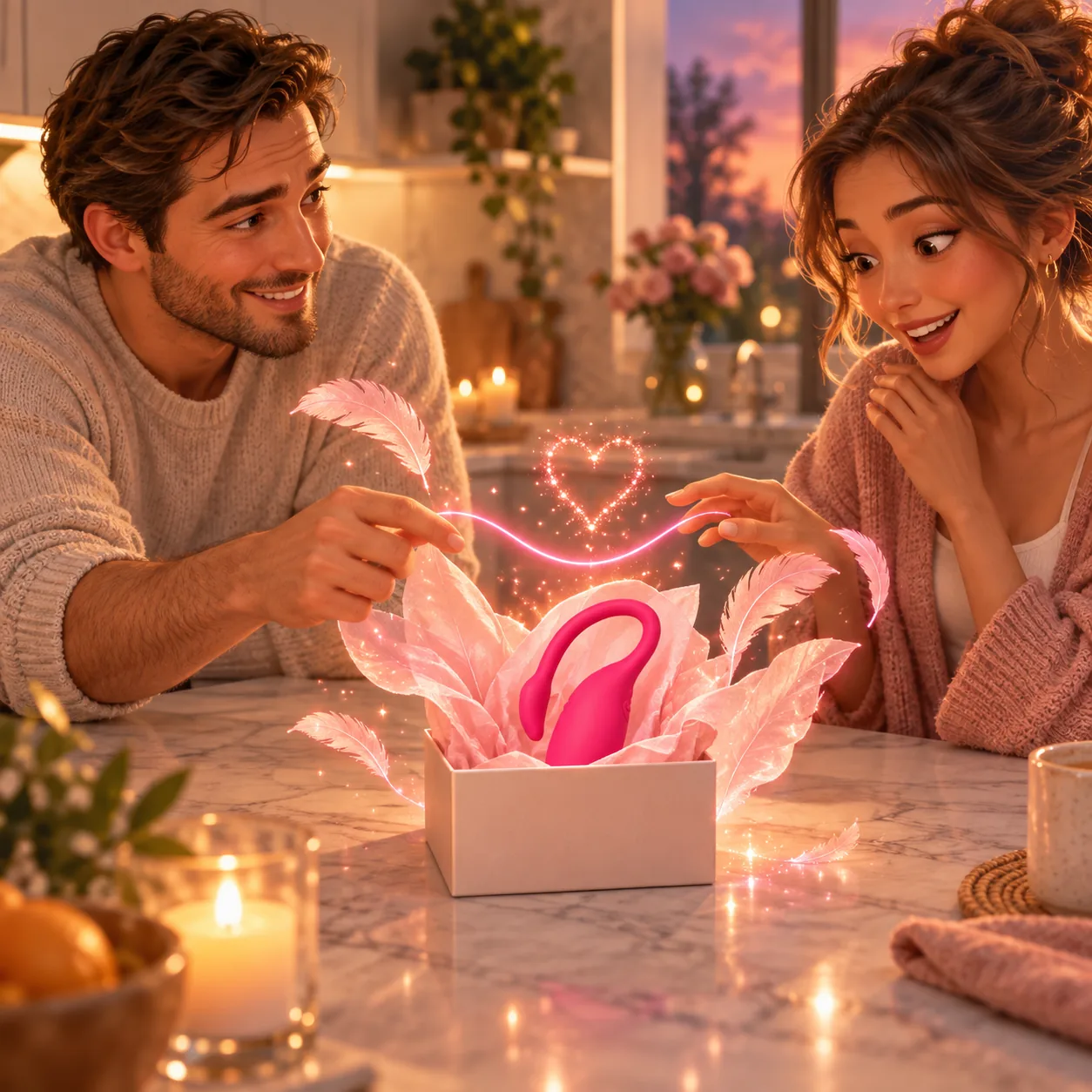
US$79.00 US$179.00 SAVE 56%
30-Day No-Judgment Promise · Free Worldwide Shipping · Plain Packaging (it's a Mingo™, relax)